MRT-3 System Passenger Unloading Guide in Philippines
Daily commuting in Metro Manila heavily depends on the MRT-3 system, which runs along EDSA and connects key cities such as Quezon City, Mandaluyong, Makati, and Pasay. Because of its high passenger volume, the system sometimes faces technical issues, crowding, and operational delays. Even commuters who regularly use services like the LTO Portal for transportation-related updates and documents still rely heavily on MRT-3 for fast daily travel across the city.
One of the most important safety responses in these situations is MRT-3 System Passenger Unloading, a controlled process used to safely remove passengers from a train when it cannot continue its journey. Although it may seem disruptive, this process is designed to protect commuters and maintain overall system safety.
Understanding how MRT-3 passenger unloading works helps commuters stay calm, follow correct procedures, and travel more safely.
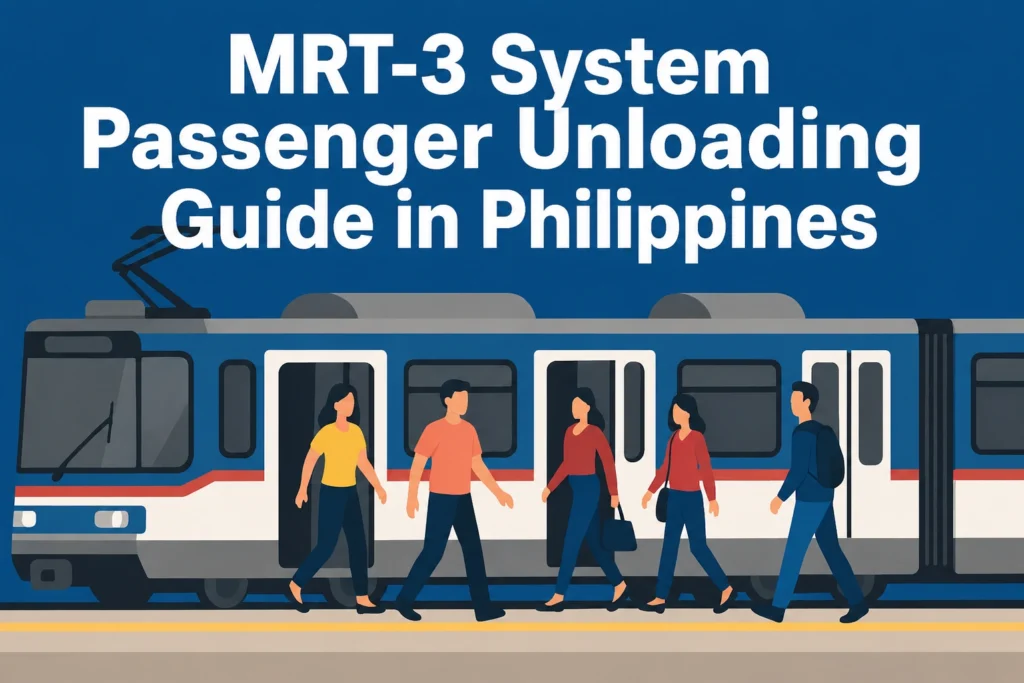
Understanding MRT-3 System
The MRT-3, also known as Metro Rail Transit Line 3, is a major rail line in Metro Manila that runs along EDSA, one of the busiest highways in the country. It connects key business and residential areas including Quezon City, Mandaluyong, Makati, and Pasay.
The system plays a major role in reducing road congestion by providing fast, high-capacity transportation for daily commuters. It serves students, office workers, and business travelers who depend on it for efficient movement across the city.
Because of its heavy passenger load, MRT-3 requires strict safety protocols, especially during technical disruptions.
What Is MRT-3 System Passenger Unloading?
MRT-3 System Passenger Unloading is a safety protocol where passengers are instructed to exit the train due to technical, operational, or safety-related issues.
It is carried out when a train cannot safely continue its journey and must be inspected, repaired, or temporarily removed from service.
This process ensures:
It is not a regular station stop but an emergency or preventive operational procedure.
How MRT-3 System Passenger Unloading Process Works
When MRT-3 System Passenger Unloading is activated, the process follows a structured flow:
First, the train stops at a station or safe position. The driver informs passengers through announcements. Passengers are instructed to stay calm and wait for instructions.
Once the doors open, passengers are required to exit in an organized manner. Station staff and marshals assist in managing movement to avoid crowding or pushing.
After passengers exit, the train is inspected or taken out of service for maintenance depending on the issue.
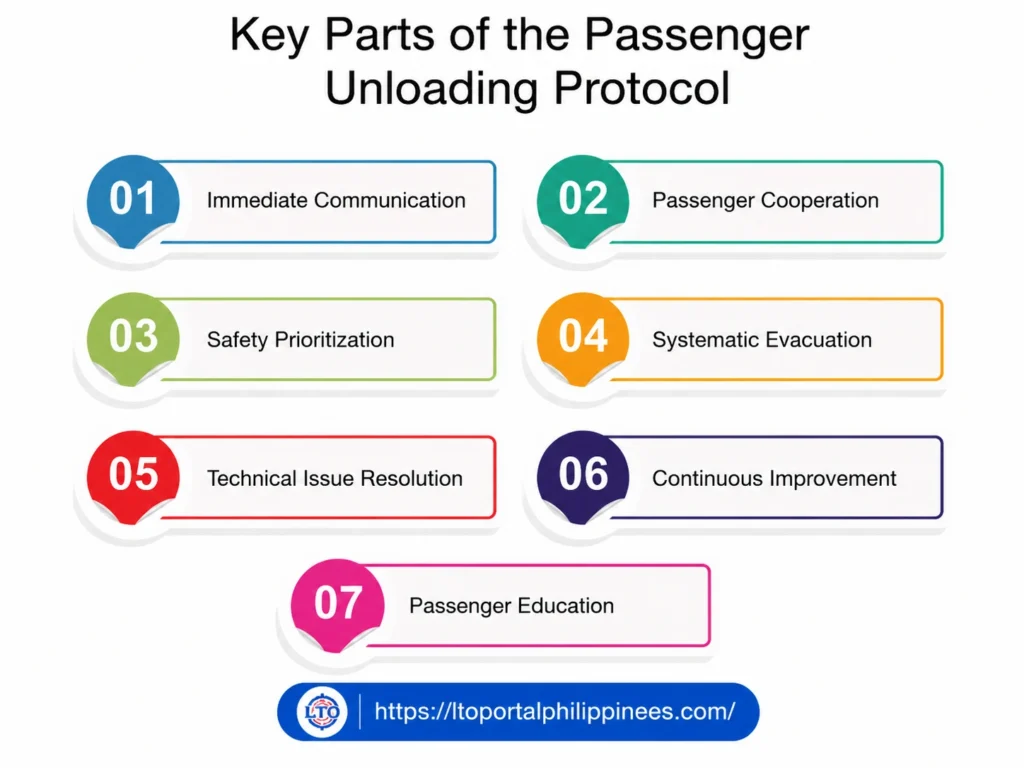
Key Parts of the Passenger Unloading Protocol
Immediate Communication
Clear announcements are important during unloading. Passengers need to know why the train has stopped, what they should do next, and where they should go.
Good communication reduces panic. It also helps commuters follow the right steps without confusion.
Passenger Cooperation
Passenger cooperation makes the process faster and safer. When people stay calm, listen to instructions, and avoid pushing, station staff can manage the situation better.
A few seconds of patience can prevent crowding near doors and help everyone exit safely.
Safety Prioritization
Passenger unloading is mainly a safety measure. It is not done to inconvenience riders. It is used when MRT-3 personnel need to protect passengers from possible risks caused by train, door, electrical, or signaling problems.
Systematic Evacuation
Unloading must be organized. Passengers should leave in a steady flow instead of rushing toward the doors.
Station staff, guards, and marshals help keep movement controlled so platforms do not become dangerously crowded.
Technical Issue Resolution
After passengers leave the train, MRT-3 personnel can inspect the issue. The train may be repaired, moved to the depot, or removed from active service.
This helps prevent the same train from causing more delays along the line.
Continuous Improvement
MRT-3 rehabilitation work includes upgrades to important systems such as tracks, signaling, power supply, overhead catenary, communications, maintenance systems, and station equipment.
These improvements are important because better equipment can reduce service interruptions and make the passenger unloading process less frequent.
Passenger Education
Commuters also play a role. Passengers should avoid leaning on train doors, forcing doors open, blocking exits, or entering before others have left.
Simple passenger discipline can help reduce door issues, platform crowding, and delays.
What Should Passengers Do During MRT-3 System Passenger Unloading?
During MRT-3 System Passenger Unloading, passengers should stay calm, listen to announcements, and follow staff instructions.
Do not push other passengers. Do not force doors open. Do not rush toward stairs, escalators, or exits. Let people near the doors move first, then follow the flow.
If you are unable to move because of crowding, politely ask nearby passengers to give you space. Most commuters will cooperate when they understand you need to exit.
What to Do During Passenger Unloading (Safety Guidelines)
During MRT-3 System Passenger Unloading, safety and calm behavior are very important. Passengers must carefully follow announcements from train drivers and station staff. The goal is to ensure an orderly and safe exit without panic, pushing, or confusion. Cooperation from everyone helps the process move faster and reduces the risk of accidents.
Safety Guidelines for Passengers:
Important Reminders for MRT-3 Commuters
Remain Calm and Patient
Passenger unloading can be stressful, but panic makes it worse. Stay calm and wait for clear instructions.
Follow Instructions Quickly
Train drivers and station personnel are trained to manage these situations. Follow their guidance so the process stays organized.
Do Not Force Train Doors Open
Forcing doors can damage equipment and may create more delays. Wait for staff instructions before exiting.
Keep a Safe Distance
Avoid standing too close to train doors and platform edges. A safe distance reduces the risk of accidents.
Be Aware of Your Surroundings
Watch your step, hold your belongings, and avoid blocking pathways.
Cooperate With MRT Personnel
Marshals and guards are there to help. Cooperation makes the process safer for everyone.
Stay Behind the Yellow Line
The yellow line is there to protect passengers from moving trains and crowded platform edges.
Report Suspicious Items or Behavior
If you notice something unsafe, inform MRT-3 personnel right away.
Prepare for Possible Delays
Passenger unloading may affect your travel time. Give yourself extra time when traveling during peak hours.
Stay Updated
Check official MRT-3 or DOTr updates when there are service interruptions, repairs, or schedule changes.
Give Constructive Feedback
If you experience a serious problem, report it properly. Useful feedback helps improve service quality.
Common Issues and Challenges
Passenger unloading becomes more difficult during peak hours due to crowding and station pressure.
Main challenges include:
These issues highlight the importance of discipline and patience inside the MRT system.
Real-Life Rush Hour Scenario in MRT-3
During peak hours at stations like Cubao or Ayala, trains often become very crowded. Sometimes, a train stops due to a minor technical issue and passengers are asked to undergo MRT-3 System Passenger Unloading.
When doors open, everyone tries to exit at once while new passengers are already waiting outside. The space becomes tight, so movement slows down.
In this situation, passengers who stay calm, follow instructions, and allow others to exit first help keep the process safe and organized. Station staff guide the flow to avoid pushing and delays.
Causes of MRT-3 System Passenger Unloading
Passenger unloading can happen due to multiple operational and technical reasons:
Overcrowding
High passenger volume during peak hours makes movement difficult inside trains and platforms.
Technical Failures
Mechanical or electrical problems may force a train to stop service temporarily.
Door Malfunctions
Doors may fail to open or close properly due to technical issues or passenger interference.
Signaling Problems
Rail signaling errors can affect train movement and require immediate stops.
Electrical Issues
Power interruptions or system faults may impact train operation.
Infrastructure Stress
Aging rail components and heavy usage increase the likelihood of disruptions.
Communication Gaps
Lack of clear instructions can increase confusion during emergency stops.
Why MRT-3 System Passenger Unloading Is Necessary
Passenger unloading is an essential safety procedure in MRT-3. It is implemented when a train experiences technical or operational issues that may put passengers at risk if the journey continues.
The main purpose is to ensure passenger safety by removing commuters from a potentially unsafe situation. Once passengers are safely unloaded, MRT-3 staff can inspect the train, identify the problem, and carry out necessary repairs.
This process also helps prevent system-wide delays. If a faulty train remains in service, it can affect other trains along the line, causing longer disruptions.
MRT-3 Management Solutions and Improvements
The Department of Transportation (DOTr) and MRT-3 management continue upgrading the system to reduce disruptions.
Ongoing improvements include:
These upgrades aim to reduce MRT-3 System Passenger Unloading incidents and improve reliability.
Commuter Experience and Feedback
MRT-3 System Passenger Unloading can be stressful during rush hours due to delays and crowding. However, improvements in operations and communication are gradually improving commuter experience.
The system continues to evolve, and passenger cooperation plays a major role in improving daily travel experience.
Future Plans for MRT-3 Passenger Flow
Future upgrades focus on improving reliability, safety, and passenger comfort.
Planned improvements include:
These changes aim to make travel smoother and reduce emergency unloading situations.
Frequently Asked Questions
Final Thoughts
MRT-3 System Passenger Unloading is a critical safety process that ensures passenger protection during technical or operational disruptions. While it may cause temporary inconvenience, it plays an important role in maintaining system safety and stability.
The key to improving MRT-3 travel lies in two factors: continuous system upgrades and responsible passenger behavior. When both work together, commuting becomes safer, faster, and more efficient for everyone in Metro Manila.