Impoundable Violations in the Philippines: LTO List & Penalties
Driving in the Philippines comes with responsibilities, and every motorist must understand the traffic offenses that can lead to vehicle impoundment. While many violations only result in fines, some serious offenses allow authorities to temporarily take custody of a car, motorcycle, or other motor vehicle.
So, what are impoundable violations in the Philippines? These are serious traffic offenses identified by the Land Transportation Office (LTO) and authorized traffic enforcers that may result in a vehicle being seized and transferred to an impounding facility until the required penalties, documents, and legal procedures are completed.
Drivers can stay compliant by keeping their licenses, registrations, and vehicle records updated through official services such as the LTO Portal, while also following road safety regulations.
Understanding the list of impoundable violations helps motorists avoid costly fines, towing charges, delays, and unnecessary inconvenience while contributing to safer roads across the country.
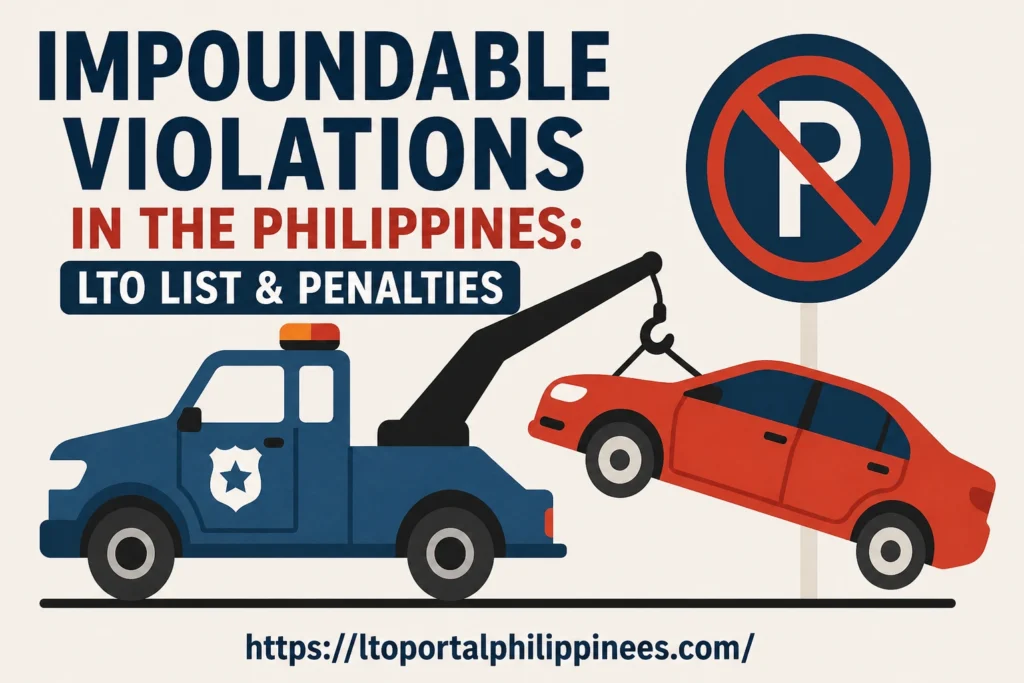
What Are Impoundable Violations in the Philippines?
Impoundable violations in the Philippines are serious traffic offenses that give authorities the legal right to seize or temporarily hold a vehicle due to violations of transportation laws and road safety regulations.
Unlike ordinary traffic violations that may only require payment of a fine, impoundable offenses involve additional consequences such as:
The purpose of vehicle impounding is not only punishment but also prevention. It helps remove unsafe vehicles and irresponsible drivers from the road while encouraging motorists to follow traffic regulations.
What Traffic Violations Can Get Your Vehicle Impounded in the Philippines?
Impoundable violations in the Philippines are serious traffic offenses that allow the LTO or authorized traffic enforcers to temporarily take custody of a vehicle. These violations usually involve unsafe driving practices, invalid documents, illegal vehicle modifications, or non-compliance with transportation regulations.
Some common offenses that may result in vehicle impounding include:
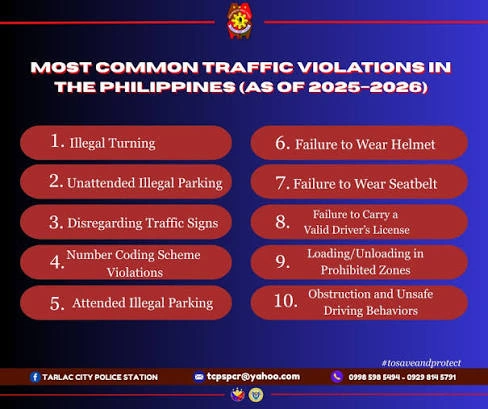
Knowing these offenses helps drivers avoid situations that can lead to fines, towing charges, and temporary loss of their vehicle.
Why Does the LTO Impound Vehicles?
The Land Transportation Office uses vehicle impoundment as an enforcement measure to maintain road discipline and protect public safety.
The main reasons for impounding vehicles include:
Preventing Dangerous Driving Practices
Vehicles involved in reckless driving, illegal racing, or driving under the influence may pose immediate risks to other road users. Removing these vehicles helps prevent accidents.
Encouraging Compliance With Traffic Laws
Impoundment creates stronger consequences for drivers who ignore registration requirements, licensing rules, or vehicle safety standards.
Protecting Public Safety
Some violations involve vehicles that are unsafe to operate due to missing equipment, illegal modifications, or defective parts.
Maintaining Traffic Order
Removing illegally operated vehicles helps authorities manage congestion and maintain organized transportation systems.
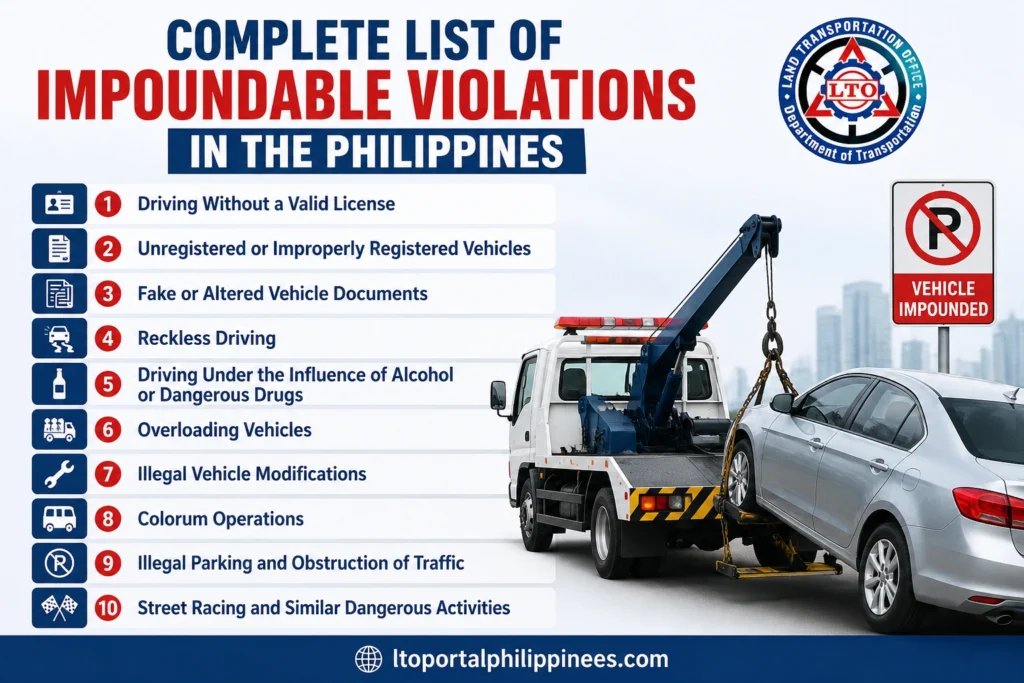
Complete List of Impoundable Violations in the Philippines
The following are some of the major offenses that may result in vehicle impounding under LTO regulations and related traffic enforcement rules.
Driving Without a Valid License
Operating a vehicle without a valid driver’s license is a serious offense. Authorities may impound the vehicle if the driver cannot present proper authorization to operate it.
This includes situations such as:
- No driver’s license
- Expired license
- Suspended or revoked license
- Fake driver’s license
Drivers should always carry their valid license whenever operating a vehicle.
Unregistered or Improperly Registered Vehicles
Vehicles without proper registration documents may be impounded.
Examples include:
- Unregistered vehicles
- Expired registration
- Invalid registration documents
- Delinquent vehicle registration
Motorists should regularly check their registration status and renew documents before expiration.
Fake or Altered Vehicle Documents
Using fraudulent documents can immediately lead to serious penalties.
Examples include:
- Fake Official Receipt (OR)
- Fake Certificate of Registration (CR)
- Fake license plates
- Fake stickers
- Tampered registration documents
Authorities consider document fraud a serious violation because it affects vehicle identification and legal ownership records.
Reckless Driving
Reckless driving puts other motorists and pedestrians at risk.
Examples include:
- Aggressive driving behavior
- Ignoring traffic signals
- Dangerous overtaking
- Excessive speeding
- Blocking traffic intentionally
Repeated reckless driving offenses may result in stronger penalties, including vehicle impoundment.
Driving Under the Influence of Alcohol or Dangerous Drugs
Driving while impaired by alcohol or prohibited substances is one of the most dangerous traffic offenses.
Authorities may impound vehicles involved in DUI or drug-related driving violations because impaired drivers create serious safety risks.
Drivers should never operate vehicles when their ability to drive safely is affected.
Overloading Vehicles
Overloading occurs when a vehicle carries passengers or cargo beyond its allowed capacity.
This commonly affects:
- Trucks
- Public utility vehicles
- Delivery vehicles
Overloaded vehicles have reduced safety and increased chances of accidents, which is why authorities strictly monitor this violation.
Illegal Vehicle Modifications
Certain vehicle modifications may result in penalties or impoundment if they violate safety regulations.
Examples include:
- Unauthorized change of vehicle color
- Illegal vehicle configuration changes
- Defective safety equipment
- Dangerous lighting modifications
- Illegal window tint or windshield alterations
Vehicle modifications should follow LTO-approved standards.
Colorum Operations
A colorum vehicle refers to one operating without the required franchise or authority.
Examples include:
- Public vehicles operating without permits
- Unauthorized passenger transport services
- Vehicles violating franchise conditions
These vehicles may be impounded because they operate outside government regulation.
Illegal Parking and Obstruction of Traffic
Vehicles that block roads or create traffic hazards may be towed or impounded depending on local enforcement rules.
Common examples:
- Blocking entrances
- Parking in prohibited areas
- Obstructing pedestrian lanes
- Creating traffic congestion
Drivers should always follow designated parking regulations.
Street Racing and Similar Dangerous Activities
Illegal racing and dangerous driving competitions are considered serious violations.
These activities threaten public safety and may result in:
- Vehicle impoundment
- Fines
- Additional legal consequences
Other LTO Violations That May Lead to Vehicle Impoundment
Aside from common traffic offenses, the LTO also considers several vehicle registration, documentation, and compliance issues as possible grounds for impoundment.
These include:
Vehicles may be subject to penalties if owners make changes without proper approval, such as:
- Unauthorized change of vehicle color
- Unapproved changes in vehicle configuration
- Installation of illegal lights or accessories
- Use of unsafe or defective vehicle components
These rules exist to ensure vehicles remain identifiable and safe for road use.
A vehicle may also be impounded for issues involving legal documents, including:
- Operating with a suspended or revoked Certificate of Registration
- Failure to present required vehicle documents
- Tampered registration or franchise documents
- Fake Official Receipt (OR) or Certificate of Registration (CR)
Drivers should always keep updated and legitimate vehicle records to avoid enforcement problems.
For public utility vehicles, additional violations may result in impoundment, including:
- Failure to display required vehicle markings
- Missing body numbers or required identification
- Violation of franchise conditions
- Unauthorized operation outside approved routes
These requirements help authorities monitor and regulate public transportation services.
What Happens When Your Vehicle Gets Impounded?
If authorities determine that your vehicle committed an impoundable violation, the general process usually follows these steps:
Issuance of Traffic Citation
The violation is recorded, and authorities issue the necessary traffic documents.
Vehicle Removal
The vehicle may be towed or transported to an authorized impounding area.
Assessment of Penalties
Authorities determine applicable fines, fees, and other requirements.
Completion of Requirements
The owner must provide required documents and settle penalties before requesting vehicle release.
Vehicle Retrieval
After completing all requirements, the owner can process the release of the vehicle.
The exact procedure may vary depending on the location, enforcement agency, and type of violation.
LTO Memorandum Circular MC-89-105 and Vehicle Impounding Rules
Many impoundable offenses are based on transportation regulations issued by the Land Transportation Office (LTO), including guidelines under DOTC-LTO Memorandum Circular No. 89-105.
This regulation identifies specific violations where authorities may take custody of a motor vehicle due to serious non-compliance.
The purpose of these rules is to:
However, actual penalties and enforcement procedures may vary depending on the type of violation, location, and implementing authority.
Penalties and Fines for Impoundable Violations in the Philippines
The penalties depend on the seriousness of the offense and whether the driver has previous violations.
Possible consequences include:
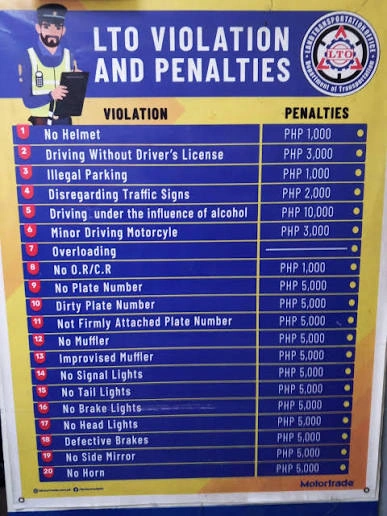
Some violations may result in fines ranging from thousands of pesos, especially when combined with other offenses.
Drivers should remember that the financial cost of impoundment often goes beyond the original violation fee because towing and storage expenses may also apply.
How to Retrieve an Impounded Vehicle in the Philippines
To claim an impounded vehicle, owners generally need to complete several steps:
Prepare Required Documents
Common requirements may include:
- Valid identification
- Vehicle registration documents
- Official receipts
- Driver’s license
- Proof of ownership
Pay Required Charges
Owners may need to settle:
- Traffic fines
- Processing fees
- Towing charges
- Storage fees
Complete Release Procedures
After verification and payment, authorities will provide instructions for vehicle release.
If you believe the impoundment was incorrect, you may follow the proper complaint or appeal process through the appropriate authority.
Tips to Avoid Vehicle Impoundment
Preventing impoundment is easier than dealing with the process afterward. Drivers can reduce risks by following these practices:
Keep Documents Updated
Always check that your:
- Driver’s license is valid
- Vehicle registration is current
- Required permits are available
Follow Traffic Rules
Avoid behaviors that commonly lead to violations:
- Reckless driving
- Illegal parking
- Speeding
- Blocking roads
Maintain Your Vehicle
Regular maintenance helps prevent issues related to:
- Defective lights
- Unsafe equipment
- Missing required parts
Avoid Driving Under the Influence
Never operate a vehicle after consuming alcohol or dangerous substances.
Stay Updated With LTO Regulations
Traffic rules can change. Checking official announcements helps drivers stay compliant.
Frequently Asked Questions
Final Thoughts
Impoundable violations in the Philippines exist to improve road safety, encourage responsible driving, and prevent dangerous activities on public roads. Losing access to your vehicle can create unnecessary stress, expenses, and delays, but most cases can be avoided through simple compliance.
Keeping your license and registration updated, following traffic laws, maintaining your vehicle properly, and practicing responsible driving habits are the best ways to avoid vehicle impoundment.
A safe driver not only protects their own vehicle but also contributes to safer roads for everyone in the Philippines.