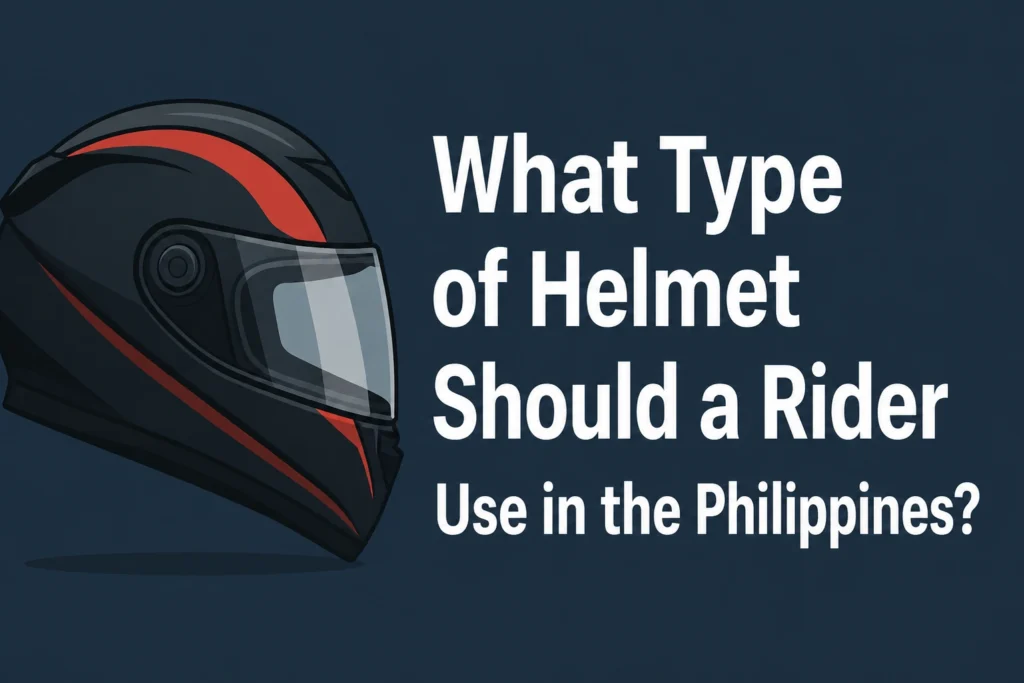
What Type of Helmet Should a Rider Use in the Philippines
Motorcycle riding is one of the most convenient ways to travel in the Philippines. It saves time, avoids traffic, and gives riders the freedom to move easily. However, every rider also carries the responsibility of protecting themselves on the road. Resources like LTO Portal help riders understand important motorcycle regulations and requirements they need to follow.
A helmet is not just a riding accessory or a requirement to avoid penalties. It is the most important safety gear that protects the head, face, and brain during accidents. Even a short ride can become dangerous because unexpected situations can happen anytime.
In the Philippines, motorcycle riders and back riders are required to wear a standard protective motorcycle helmet that meets safety requirements. Choosing the correct helmet means understanding LTO requirements, safety certifications, helmet types, and the level of protection each design provides.
What Type of Helmet Does LTO Require in the Philippines?
The Land Transportation Office (LTO) requires motorcycle riders and passengers riding on public roads to use a standard motorcycle helmet that complies with safety standards.
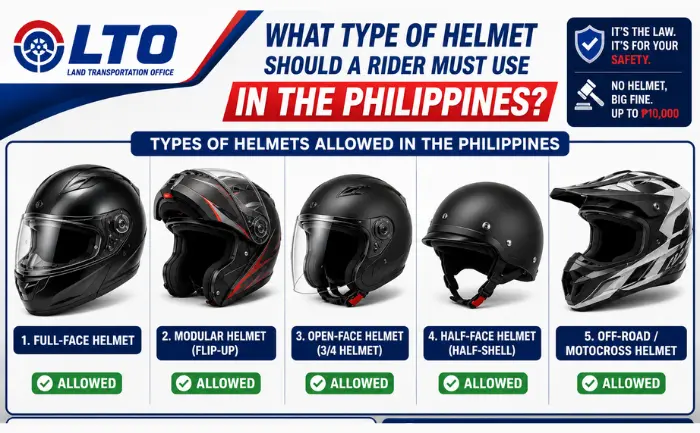
The LTO does not require riders to use only one specific helmet design. Full-face, modular, open-face, and other helmet styles may be used as long as they meet the required safety standards.
The most important requirement is certification.
A legal motorcycle helmet should have either:
| Certification Mark | Issued By | Purpose |
|---|---|---|
| PS Mark (Philippine Standard) | Bureau of Product Standards (BPS) under DTI | Shows that locally produced helmets passed safety requirements |
| ICC Sticker (Import Commodity Clearance) | Bureau of Product Standards (BPS) under DTI | Required for imported helmets that passed inspection |
These marks confirm that the helmet has undergone safety testing and meets the required standards for motorcycle use.
A helmet without proper certification may not provide reliable protection, even if it looks expensive or comes from a famous brand.
What Makes a Standard Motorcycle Helmet Safe?
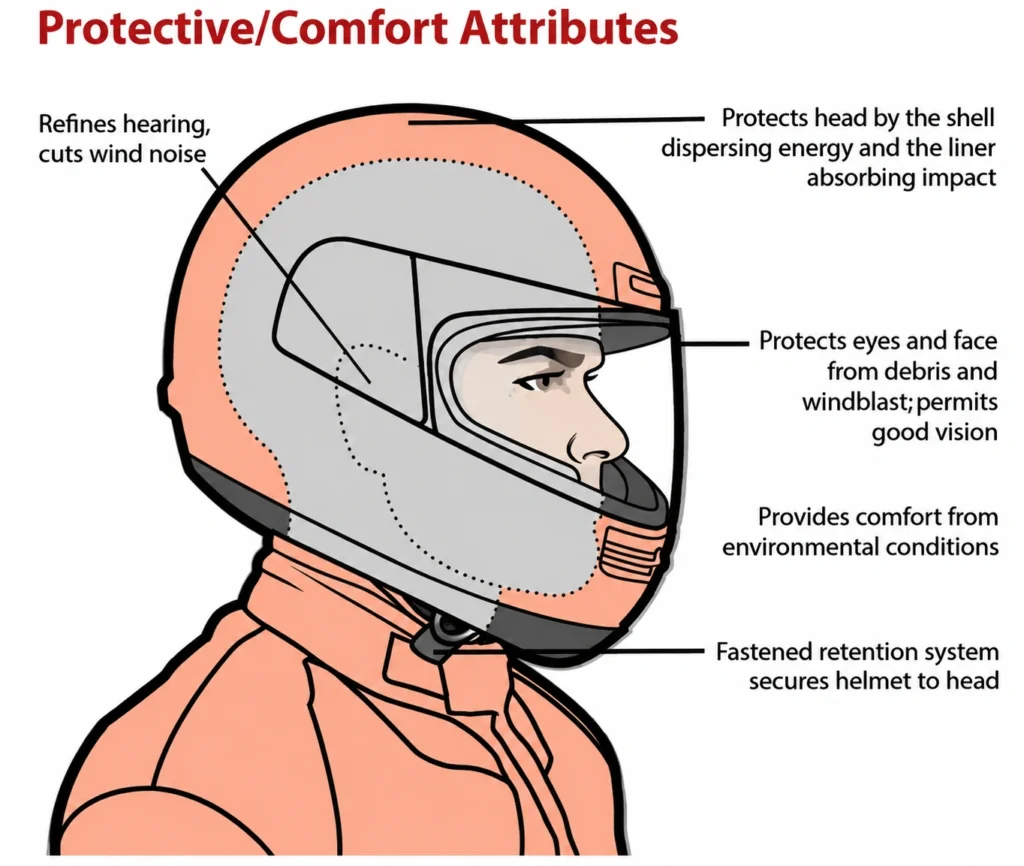
A proper motorcycle helmet is designed with multiple protective components. Each part plays an important role in reducing injury during an impact.
Hard Outer Shell
The outer shell is the strongest layer of the helmet. It helps protect the rider’s head from direct impact, sharp objects, and surface damage during a crash.
Impact Absorbing Inner Liner
Inside the helmet is a shock-absorbing foam layer, usually made from EPS (expanded polystyrene). This layer reduces the energy transferred to the head when the helmet hits a hard surface.
Comfort Liner
The soft inner padding improves comfort and creates a secure fit around the rider’s head. It also helps absorb sweat and improves long-ride comfort.
Chin Strap and Retention System
The retention system keeps the helmet properly attached while riding. A helmet that is not securely fastened may come off during an accident and fail to provide protection.
A quality motorcycle helmet should have all these important components working together.
Types of Motorcycle Helmets Allowed in the Philippines
Different helmet designs are made for different riding situations. The best choice depends on where you ride, how often you travel, and the level of protection you want.
Full-Face Helmet
A full-face helmet provides the highest level of overall protection because it covers:
- Top and back of the head
- Face
- Chin
- Jaw area
It includes a fixed chin bar and a protective visor.
Best For:
Many experienced riders prefer full-face helmets because they provide maximum coverage during accidents.
Modular Helmet
A modular helmet combines the protection of a full-face helmet with the convenience of an open-face design.
The front section can be lifted, making it easier for riders to:
- Communicate
- Drink water
- Take short breaks
- Improve airflow when stopped
However, the chin section should remain completely closed and locked while riding because opening it reduces protection.
Best For:
Open-Face Helmet
An open-face helmet protects the top, sides, and back of the head but does not have a chin guard.
Advantages:
- Lightweight
- Comfortable in warm weather
- Better airflow
- Easy to wear
Limitations:
- Less protection for the face and chin
- More exposure to dust, rain, and insects
It can still be used legally if it carries the required safety certification.
Half-Face Helmet
A half-face helmet provides protection mainly around the upper part of the head.
Advantages:
- Lightweight
- Easy to carry
- Good ventilation
- Comfortable for short rides
Limitations:
- Limited facial protection
- Less suitable for high-speed riding
A half-face helmet may be legal if it has proper certification, but riders should understand that it offers less protection compared with full-face designs.
Off-Road / Motocross Helmet
Off-road helmets are designed for dirt bikes, trails, and rough terrain.
They usually feature:
- Extended chin protection
- Large ventilation openings
- Sun peak
- Space for riding goggles
These helmets provide excellent airflow and protection for off-road conditions but are not designed mainly for highway riding.
Adventure / Hybrid Helmet
Adventure helmets combine road and off-road features.
They usually include:
- Visor
- Peak
- Better airflow
- Wider viewing area
They are suitable for riders who travel on different surfaces and want one helmet that works for both road and adventure riding.
Other Accepted Helmet Certifications (DOT, ECE, SNELL, FIM)
Besides PS and ICC markings, riders may also see international safety certifications on motorcycle helmets.
These certifications indicate that a helmet has been tested under recognized safety standards.
| Certification | Region / Organization | Description |
|---|---|---|
| DOT | United States | Department of Transportation safety standard |
| ECE 22.05 / ECE 22.06 | Europe | International motorcycle helmet safety regulation |
| SNELL | United States | Independent helmet safety testing organization |
| FIM | International | Used mainly for professional motorcycle racing helmets |
While certification is important, riders should always check that the helmet is suitable for motorcycle use and meets Philippine requirements.
Is a Half-Face Helmet Allowed by LTO?
Yes, a half-face helmet can be used in the Philippines if it meets the required safety standards and carries valid certification.
The LTO focuses on helmet compliance rather than banning a particular style.
However, riders should consider the difference between legality and protection.
A half-face helmet may be acceptable for slower city rides, but it provides less protection for the face and chin area. Riders who frequently travel on highways or at higher speeds should consider stronger options such as full-face or modular helmets.
Helmet Choice for City vs Highway Riding
The right helmet depends greatly on your riding environment.
For City Riding
City riders usually deal with:
- Lower speeds
- Heavy traffic
- Frequent stops
- Hot weather
Suitable options:
- Open-face helmet
- Half-face helmet
- Modular helmet
However, the helmet should still have proper certification and a secure fit.
For Highway and Long-Distance Riding
Highway riding involves:
- Higher speeds
- Longer travel time
- Greater impact risk
Recommended options:
- Full-face helmet
- Quality modular helmet
These provide better protection against:
- Strong impacts
- Wind pressure
- Road debris
- Facial injuries
For riders who regularly travel long distances, maximum coverage should be the priority.
How to Choose the Right Motorcycle Helmet
Selecting a helmet should not only depend on appearance or price. A good helmet should provide safety, comfort, and a proper fit.
Check Certification
Before buying:
- Look for PS mark or ICC sticker
- Check the authenticity of safety labels
- Buy from reliable sellers
Choose the Correct Size
A helmet should:
- Feel snug but comfortable
- Stay stable when shaking your head
- Not create painful pressure points
A loose helmet may move during a crash and reduce protection.
Consider Ventilation
Because of the Philippines’ warm climate, ventilation is important.
Good airflow helps reduce:
- Heat buildup
- Sweating
- Rider discomfort
Check the Visor
A quality visor should provide:
- Clear visibility
- Scratch resistance
- Protection from dust and insects
Consider Helmet Weight
A heavy helmet may cause neck fatigue during long rides. Lightweight materials can improve comfort without sacrificing safety when properly designed.
How to Identify Fake Motorcycle Helmets
Fake or poor-quality helmets can look similar to genuine products but may fail during an accident.
Before buying, check these warning signs:
Missing Certification Marks
Avoid helmets without:
- PS mark
- ICC sticker
- Recognized safety certification
Poor Build Quality
Be careful if:
- The shell feels unusually thin
- Materials look weak
- Padding feels cheap
- Straps appear poorly made
No Brand Information
A reliable helmet usually includes:
- Brand name
- Model number
- Size information
- Manufacturing details
Extremely Low Price
A helmet sold at an unusually cheap price may indicate poor materials or counterfeit certification.
Damaged or Used Helmets
Avoid second-hand helmets because internal damage may not be visible. A helmet that has already experienced an impact may no longer provide proper protection.
Common Helmet Mistakes Riders Should Avoid
Many riders reduce their safety by making simple mistakes.
Common examples include:
A helmet can only protect you when it is properly selected, worn, and maintained.
How to Maintain Your Motorcycle Helmet
Proper maintenance helps extend helmet life and keeps it comfortable.
Follow these tips:
Replace your helmet when:
Many manufacturers recommend replacing helmets after several years because materials naturally weaken over time.
LTO Helmet Violation and Penalties
Under the Motorcycle Helmet Act of 2009 (RA 10054), riders who fail to wear a proper helmet may face fines.
The penalties increase depending on repeated offenses.
| Offense | Fine |
|---|---|
| First offense | ₱1,500 |
| Second offense | ₱3,000 |
| Third offense | ₱5,000 |
| Fourth and succeeding offenses | ₱10,000 plus additional penalties |
The law also applies to motorcycle passengers. A back rider must also wear a compliant helmet.
Frequently Asked Questions
Final Thoughts
The best motorcycle helmet is not simply the most expensive or stylish option. It is the one that meets safety standards, fits correctly, and provides suitable protection for your riding conditions.
Whether you choose a full-face, modular, open-face, or half-face helmet, always prioritize certification and safety. A proper helmet protects more than your head — it protects your ability to continue enjoying every ride safely.