Qualities of a Defensive Driver Philippines: Complete Guide
Driving is more than reaching a destination — it is about making safe choices every time you are behind the wheel. Understanding the Qualities of a Defensive Driver helps motorists stay alert, predict risks, and handle unexpected situations with confidence. Whether you are learning road safety through the LTO Portal or improving your driving habits, defensive driving plays an important role in preventing accidents.
A defensive driver combines awareness, patience, and smart decision-making to protect themselves and others on the road. It is not about driving slowly; it is about driving safely, responsibly, and prepared for what comes next.
What Is Defensive Driving?
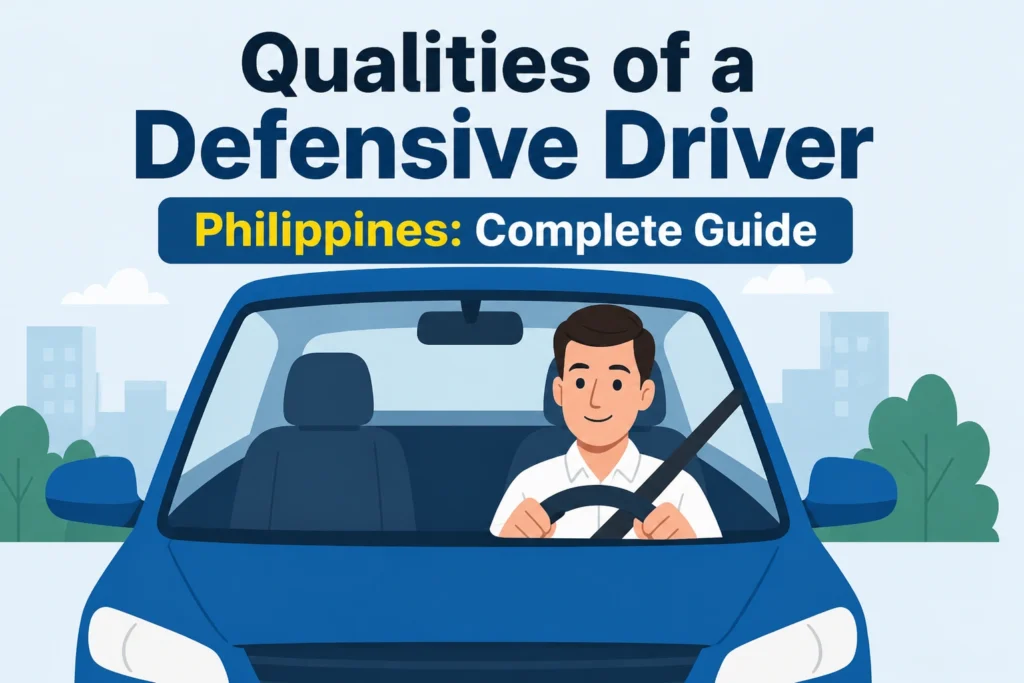
Defensive driving is a proactive safety approach that helps drivers identify hazards, anticipate risks, and make smarter decisions before accidents happen. Understanding the Qualities of a Defensive Driver means knowing how to stay aware of road conditions, other motorists, and potential dangers.
A defensive driver stays prepared for situations like:
Instead of relying on luck, defensive drivers use awareness, patience, and good judgment to handle risks safely and protect everyone on the road.
Defensive Driving Meaning in the Philippines
In the Philippines, defensive driving is essential for handling busy roads, unpredictable traffic, and changing driving conditions. It focuses on making safe decisions, reducing risks, and creating a safer environment for all road users.
A defensive driver follows these practices:
The Land Transportation Office (LTO) supports road safety through driver education programs and awareness campaigns that promote responsible driving behavior.
Defensive driving is not only about following traffic rules; it also requires patience, awareness, and respect for everyone sharing the road.
Why Defensive Driving Matters
Many accidents happen because of unsafe decisions rather than unavoidable circumstances.
Common causes of road accidents include:
Defensive driving helps prevent these mistakes from becoming accidents.
By staying alert and prepared, drivers can:
Safe driving is not only about arriving quickly. It is about arriving safely.
Essential Qualities of a Defensive Driver
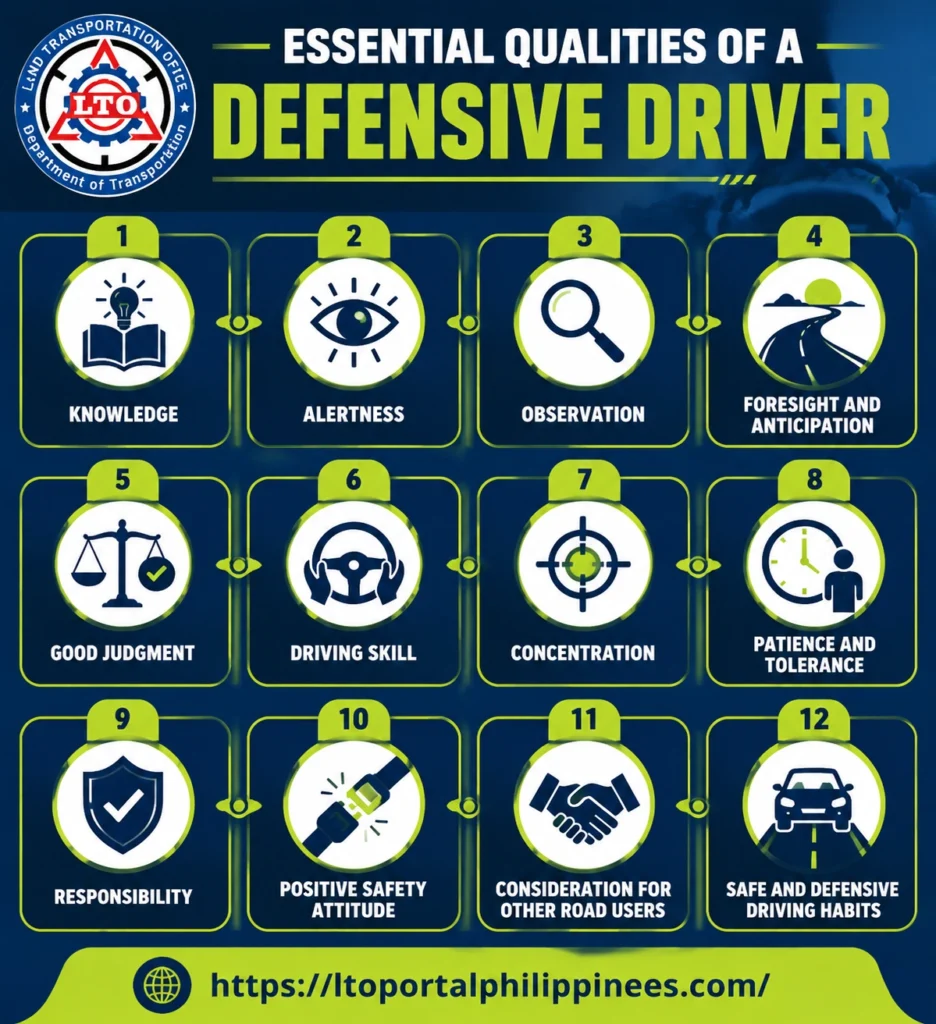
The most important Qualities of a Defensive Driver include a mix of knowledge, skills, and positive driving habits that help motorists handle different road situations safely. These traits allow drivers to stay prepared, reduce risks, and make smarter decisions behind the wheel.
Knowledge
Knowledge helps defensive drivers understand traffic laws, road signs, safe driving practices, and basic vehicle maintenance. A good understanding of driving rules allows them to make better decisions and handle emergencies more effectively.
Alertness
Alertness means staying aware of everything happening around the vehicle, including traffic, road conditions, and other drivers. It helps drivers notice potential dangers early and react before situations become unsafe.
Observation
Observation allows drivers to continuously scan their surroundings for possible risks. By watching road signs, vehicle movements, weather changes, and obstacles, defensive drivers get more time to respond safely.
Foresight and Anticipation
Foresight and anticipation help defensive drivers think ahead and prepare for possible dangers before they happen.
They predict situations such as sudden stops, unsafe lane changes, unexpected actions from other drivers, or changing road conditions, allowing them to react safely and avoid accidents.
Good Judgment
Good judgment helps drivers choose the safest action based on the situation.
They know when to slow down, give space, avoid risky moves, and prioritize safety over speed or convenience.
Driving Skill
Driving skill allows motorists to control their vehicles confidently in different situations. A skilled defensive driver understands braking, turning, lane positioning, passing, and emergency handling techniques.
Concentration
Concentration keeps drivers focused on the road and reduces the risk caused by distractions. Avoiding phones, unnecessary activities, and loss of attention helps drivers react faster and maintain better control.
Patience and Tolerance
Patience helps drivers remain calm during traffic delays, mistakes, or stressful situations. Defensive drivers avoid road rage and aggressive decisions, creating a safer and more cooperative driving environment.
Responsibility
Responsibility means understanding that every driving decision affects others on the road. Responsible drivers follow traffic rules, maintain their vehicles, avoid distractions, and prioritize safety at all times.
Positive Safety Attitude
A positive safety attitude encourages drivers to focus on protection rather than speed or convenience. It helps them stay calm, respect others, and make smarter choices even during challenging situations.
Consideration for Other Road Users
A key quality of a defensive driver is respecting everyone who shares the road, including motorists, pedestrians, cyclists, and motorcycle riders. By giving proper space, following road etiquette, and avoiding aggressive actions, drivers help create a safer environment for all.
Benefits of Being a Defensive Driver
Practicing defensive driving habits helps improve road safety, lower stress levels, and make every journey smoother. These skills allow drivers to avoid risks, respond better to challenges, and create a safer experience for themselves and others.
Reduces the Risk of Accidents
Defensive drivers identify hazards early and take preventive action.
By maintaining awareness and controlling their actions, they reduce the chance of:
- Collisions
- Injuries
- Vehicle damage
- Dangerous road situations
Protects Drivers, Passengers, and Others
Safe driving decisions protect everyone on the road, including:
- Drivers
- Passengers
- Pedestrians
- Cyclists
- Other motorists
A single careful decision can prevent a serious accident.
Helps Avoid Traffic Violations
Following defensive driving principles helps drivers avoid penalties caused by:
- Speeding
- Reckless driving
- Unsafe lane changes
- Ignoring traffic rules
This can reduce fines and legal problems.
Saves Money
Defensive driving can reduce expenses related to:
- Accident repairs
- Vehicle damage
- Fuel waste from aggressive driving
- Traffic penalties
- Increased insurance costs
Safer driving often leads to long-term financial savings.
Reduces Driving Stress
Aggressive and careless driving creates unnecessary pressure.
Defensive drivers feel more confident because they:
- Expect unexpected situations
- Stay prepared
- Avoid rushing
- Maintain control of their emotions
This makes driving calmer and more enjoyable.
Improves Safety During Bad Weather
Defensive driving becomes even more important during difficult conditions such as:
- Rain
- Fog
- Storms
- Slippery roads
Safe drivers adjust their speed, increase following distance, and remain cautious.
May Help With Insurance Benefits
Some insurance providers offer incentives or discounts for drivers with safer driving records.
Avoiding accidents and violations may help reduce insurance expenses.
How to Develop Defensive Driving Skills
Anyone can improve their defensive driving skills by building safe habits and practicing them consistently. Small changes in driving behavior can help prevent accidents and make every journey safer.
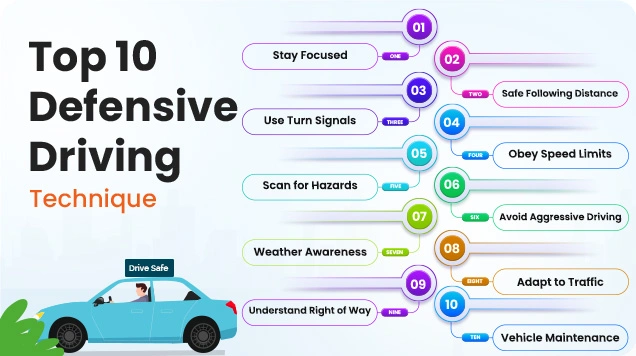
Full attention is essential for safe driving. A focused driver can identify hazards earlier and react quickly when situations change.
Develop this habit by:
- Keeping your eyes on the road
- Checking mirrors regularly
- Monitoring nearby traffic
- Avoiding mobile phone use
- Removing unnecessary distractions
Planning helps drivers avoid rushed decisions and handle unexpected situations better.
Before starting a journey, consider:
- Your route
- Traffic conditions
- Weather conditions
- Possible delays
A prepared driver is less likely to take unnecessary risks on the road.
Maintaining the right speed is one of the most important defensive driving habits. Safe speed gives drivers more time to react and reduces the severity of accidents.
Always:
- Follow speed limits
- Slow down in risky areas
- Adjust speed according to traffic and weather
- Avoid speeding to save time
Keeping enough space between vehicles allows drivers more time to react to sudden stops or changes in traffic.
Maintain at least a three-second gap from the vehicle ahead and increase the distance during:
- Wet road conditions
- Poor visibility
- Heavy traffic
- Night driving
Road conditions can change quickly, which is why the Qualities of a Defensive Driver include staying prepared to identify and respond to unexpected dangers safely.
Watch for:
- Potholes
- Road debris
- Construction zones
- Sudden obstacles
- Pedestrians entering the roadway
Early awareness helps drivers respond safely.
Overtaking requires patience, visibility, and proper judgment. Unsafe passing is a common cause of accidents.
Before passing:
- Check mirrors and blind spots
- Use turn signals
- Confirm enough visibility
- Ensure sufficient space
Never overtake when road conditions are unsafe.
A well-maintained vehicle is an important part of defensive driving. Regular checks help prevent mechanical problems that can create dangerous situations.
Pay attention to:
- Tires
- Brakes
- Lights
- Engine condition
- Fluid levels
Proper vehicle maintenance improves reliability and keeps every journey safer.
Defensive Driving Method: SIPDE
The SIPDE method helps drivers identify risks, make quick decisions, and respond safely to road hazards.
Human Factors Affecting Driving: ABC
Human behavior has a major impact on driving safety. The ABC model explains three important factors:
Attitude
Attitude affects how drivers respond to situations.
A positive driving attitude means:
- Prioritizing safety
- Respecting others
- Avoiding unnecessary risks
Behavior
Driving behavior determines road safety.
Safe behaviors include:
- Following traffic rules
- Using signals correctly
- Avoiding distractions
- Maintaining proper speed
Concentration
Concentration keeps drivers mentally engaged.
A focused driver can:
- Notice hazards quickly
- React faster
- Maintain better control
Sharing the Road Responsibly
Defensive driving also means respecting everyone who uses the road. Drivers should adjust their behavior and give proper space to keep all road users safe.
Common Mistakes Unsafe Drivers Make
Many unsafe driving habits happen because people stop paying attention or underestimate risks.
Common mistakes include:
Recognizing these mistakes is the first step toward improving driving habits.
Small changes in behavior can make every journey safer.
Frequently Asked Questions
Final Thoughts
The Qualities of a Defensive Driver are built on awareness, preparation, patience, and responsibility — not fear or excessive caution. Safe driving requires more than simply knowing traffic rules; it involves making smart decisions, staying alert, and respecting everyone on the road.
By developing defensive driving habits, applying techniques like the SIPDE method, and maintaining a safety-focused mindset, drivers can reduce risks and create safer journeys for themselves and others.
Every time you start your vehicle, remember: the goal is not just to reach your destination, but to arrive safely.