Can Philippine Law Officers Confiscate Your Driver’s License?
Driving in the Philippines can be challenging, especially with heavy traffic, checkpoints, and strict road regulations. One question that worries many motorists is: Can Philippine Law Officers Confiscate Your Driver’s License?
The answer depends on the officer’s authority, the type of violation, and the legal process involved. Not every traffic enforcer or law officer can take your license, as only authorized personnel are allowed to do so under Philippine traffic laws.
Knowing your rights helps you handle traffic stops confidently and avoid unnecessary problems. With resources like the LTO Portal making driver services more accessible, staying updated on traffic rules and license regulations is easier than ever.
Quick Answer
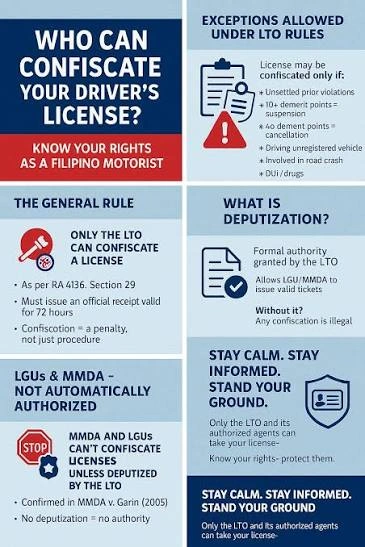
Yes, a driver’s license can be confiscated in the Philippines, but only by authorized authorities following the proper legal process. The Land Transportation Office (LTO) and its officially deputized agents have the primary authority to perform license confiscation.
Other traffic enforcement groups, including MMDA or local traffic enforcers, must have valid LTO authorization before taking a driver’s license. In any lawful confiscation, the driver should receive official documentation, such as a violation receipt or a Temporary Operator’s Permit (TOP).
Understanding the Law on License Confiscation
The authority to issue, suspend, and cancel driver’s licenses belongs to the Land Transportation Office (LTO).
The main law governing transportation rules in the Philippines is Republic Act No. 4136, also known as the Land Transportation and Traffic Code.
Under this law, the LTO is responsible for:
Because a driver’s license is a government-issued document, it cannot be taken by anyone without proper legal authority.
A traffic officer’s uniform or position does not automatically give them the power to confiscate a license.
Can Philippine Police Officers Confiscate Your Driver’s License?
Many drivers believe that any police officer can automatically take their license. However, this is not always true.
Police officers may:
But license confiscation requires proper authority connected to traffic enforcement rules.
If a police officer is authorized, they may perform the necessary action according to the law. If not, they cannot simply keep a driver’s license without following proper procedures.
Drivers should remain respectful but can ask:
Can MMDA Traffic Enforcers Confiscate Your Driver’s License?
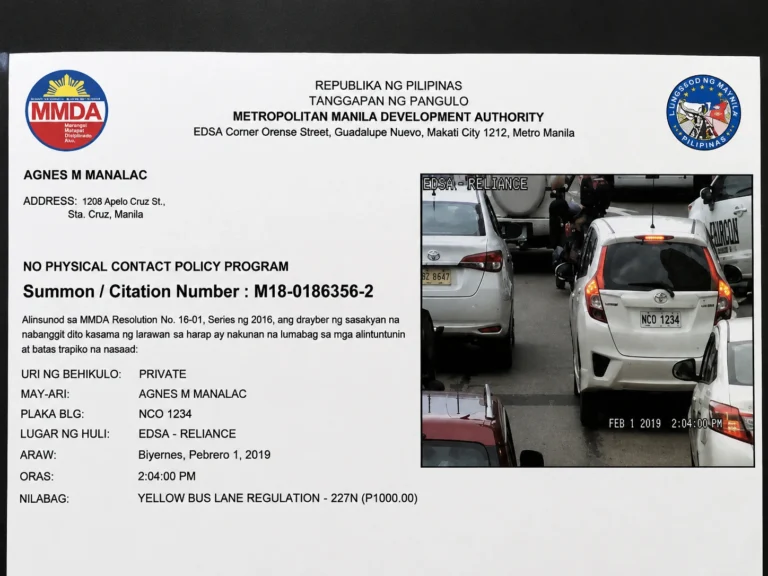
The Metropolitan Manila Development Authority (MMDA) manages traffic flow and enforcement in Metro Manila.
MMDA officers can:
However, they cannot automatically confiscate licenses unless they have the required authority from the LTO.
An MMDA officer with only a traffic citation authority may issue a violation ticket but cannot keep your license without proper legal basis.
If your license is taken, you should request:
Can LGU Traffic Enforcers Confiscate Driver’s Licenses?
This topic has created confusion among Filipino motorists because local governments manage traffic within their areas.
Some local government units (LGUs) argue that they have authority under the Local Government Code to regulate traffic.
However, driver licensing is specifically controlled by transportation laws, especially Republic Act No. 4136.
The general rule is:
LGU traffic enforcers cannot confiscate driver’s licenses unless they have proper authority or deputization from the LTO.
They may enforce traffic rules and issue citations, but license confiscation requires compliance with national regulations.
DILG Memorandum No. 01-2008 on License Confiscation
The Department of the Interior and Local Government (DILG) released Memorandum Circular No. 01-2008 regarding the confiscation of driver’s licenses by local traffic personnel.
The memorandum emphasized that:
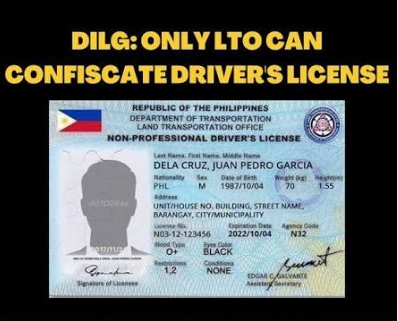
The purpose of this guideline was to prevent unauthorized confiscation and create a clearer system for motorists.
The LTO supported this position because it considers driver licensing part of its official responsibility.
Why Manila and Quezon City Had Different Approaches
Although national guidelines exist, some cities interpreted their traffic authority differently.
Manila City Position
Manila officials argued that local ordinances and the Local Government Code allowed their traffic personnel to regulate traffic and confiscate licenses for specific violations.
The city maintained that local traffic rules gave enforcers certain powers within Manila.
Quezon City Position
Quezon City followed the stricter interpretation of the DILG guidance. The city announced that traffic enforcers would stop confiscating licenses and focus on issuing proper traffic citations instead. These differences show why drivers should understand both national transportation laws and local enforcement practices.
When Is License Confiscation Allowed?
License confiscation is usually connected with serious violations rather than simple traffic mistakes.
Driving Under the Influence
Driving while affected by alcohol or prohibited substances is a serious offense.
Because it creates danger for passengers and other road users, authorities may take action against the driver’s license.
Reckless Driving
Drivers who operate vehicles dangerously or ignore road safety rules may face stronger penalties.
Depending on the circumstances, this may include license-related sanctions.
Fake or Tampered License
Using a fake, altered, or fraudulent license is a serious violation.
Authorities may confiscate the document and investigate the offense.
Examples include:
When Is License Confiscation NOT Allowed?
An officer cannot legally take your license in every situation.
Confiscation is generally not allowed when:
A driver should politely request proper documents and clarification instead of immediately surrendering the license.
What Is a Temporary Operator’s Permit (TOP)?
A Temporary Operator’s Permit (TOP) is an official document issued when a driver’s license is legally confiscated.
It serves as temporary proof that:
A TOP protects both the motorist and the enforcement agency because it creates an official record of the transaction.
What To Do If Your Driver’s License Is Confiscated
If an officer takes your license, follow these steps:
Stay Calm
Avoid arguing or becoming aggressive. A respectful approach helps prevent additional problems.
Check Officer Information
Record:
- Name
- Badge number
- Agency
- Location
Ask for Official Documents
Request:
- Traffic violation ticket
- Temporary Operator’s Permit
- Details of the violation
Keep Evidence
If possible, record:
- Time and location
- Officer details
- Photos or videos
How to Report Illegal License Confiscation
If you believe your license was taken without legal authority, you can report the incident.
You should provide:
Complaints may be submitted to the appropriate agency, such as the LTO or MMDA, depending on who handled the violation.
Legal Penalties for Unauthorized Confiscation
Traffic officers must also follow the law.
An officer who illegally confiscates a driver’s license may face:
These rules exist to prevent abuse and ensure fair treatment for motorists.
Drivers’ Rights and Responsibilities
Knowing your rights is important, but drivers must also follow traffic laws.
Driver Rights
Motorists have the right to:
- Receive fair treatment
- Know the reason for apprehension
- Ask for officer identification
- Receive proper documentation
Driver Responsibilities
Drivers should:
- Carry a valid license
- Keep vehicle documents updated
- Follow traffic rules
- Cooperate with authorized officers
Government Updates and Traffic Enforcement Improvements
The Philippines continues to improve traffic enforcement through:
These improvements aim to reduce confusion, prevent unauthorized actions, and make traffic enforcement more transparent.
Frequently Asked Questions
Final Thoughts
Philippine law enforcement officers may confiscate a driver’s license only under specific conditions allowed by law. This authority generally belongs to the Land Transportation Office and properly deputized enforcement officers. Other traffic personnel must have valid authorization before taking possession of a driver’s license.
During a traffic stop, drivers should remain calm, cooperate respectfully, and follow the proper legal process. Understanding your rights and responsibilities helps protect your driving privileges and supports fair and lawful traffic enforcement across the Philippines.