Contest Traffic Violation Philippines: Where to File Case
Contest Traffic Violation Philippines: Where to File Case
Getting a traffic ticket can be stressful, especially when you believe it was unfair or incorrect. However, a traffic ticket is not always final. In the Philippines, drivers, vehicle owners, operators, or conductors have the right to contest traffic violation Philippines through the proper traffic adjudication office or check related details through the LTO portal when applicable.
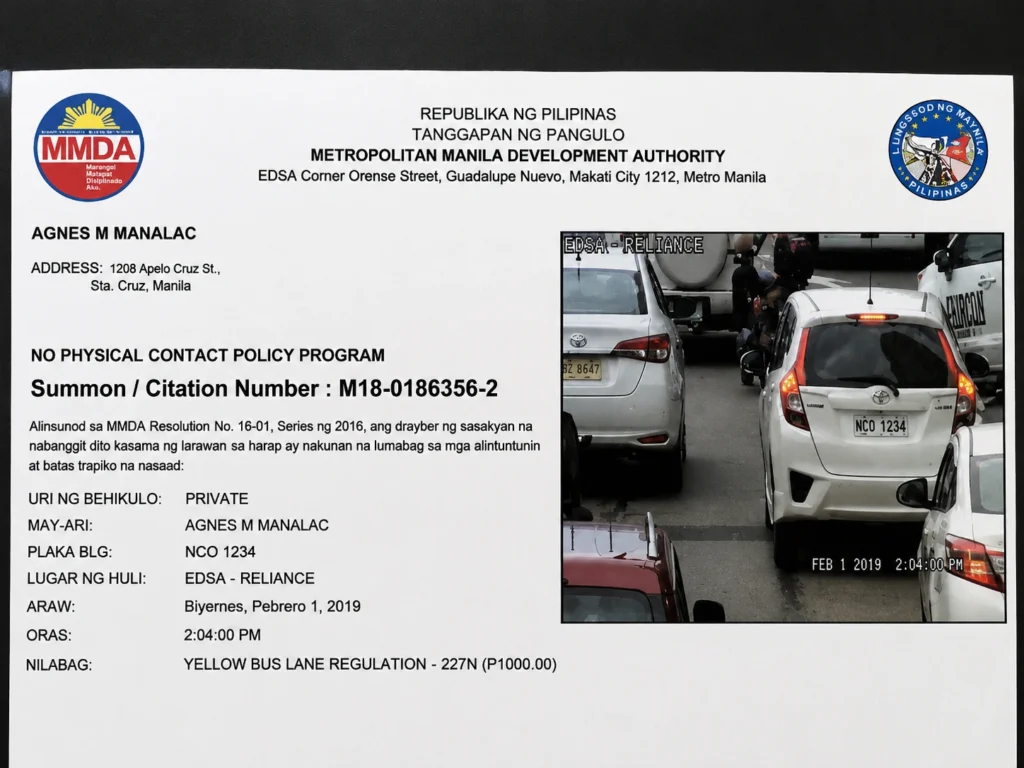
The correct office depends on who issued the ticket. If it was issued by the LTO, you must contest it with the LTO. If it came from the MMDA, you should go through the MMDA. If it was issued by a city or municipality, you need to file your protest with the concerned LGU traffic adjudication office.
Understanding Traffic Violations in the Philippines
A traffic violation is an alleged breach of road rules, transport laws, city ordinances, or vehicle regulations. It may involve overspeeding, reckless driving, illegal parking, counterflow, smoke belching, defective vehicle accessories, unauthorized vehicle modification, or failure to follow traffic signs.
However, not every citation is correct. Some tickets may contain wrong details. Some violations may be based on unclear signs, weak evidence, mistaken identity, or technical errors. In other cases, the traffic enforcer may have acted outside their authority.
This is why the process to contest traffic violation Philippines exists. It allows motorists to present evidence and request a fair review.
Can You Legally Contest a Traffic Violation?
Yes. A motorist has the right to contest traffic violation Philippines if they believe it was wrongly issued. This applies to tickets from the LTO, MMDA, LGUs, PNP Highway Patrol Group, and other authorized traffic offices.
A protest does not mean you are refusing to follow the law. It simply means you are asking for a proper review. The adjudication office will check the ticket, evidence, documents, and explanation before making a decision.
Your protest must be factual and honest. Submitting false documents or misleading statements can lead to penalties or a weaker case.
What Is a Contested Case?
A contested case happens when a driver, operator, or vehicle owner formally disputes a traffic violation written in a ticket, TOP, or Notice of Violation.
The case is reviewed by the concerned office, and a hearing officer may be assigned if needed. Both sides can present evidence, including documents from the apprehending officer and the driver.
If the evidence is strong, the case may be dismissed. If not, the violation is affirmed and the required fine must be paid or the decision must be followed.
Who Can Contest an Alleged Traffic Violation?
To contest traffic violation Philippines, the following may file:
For NCAP or camera-based violations, the registered owner usually files the appeal because the notice is tied to the vehicle’s plate number or registration record.
If another person was driving, the registered owner may submit a notarized driver identification document. If the vehicle belongs to a company, the company may need a board resolution or secretary’s certificate identifying the responsible driver. If the owner is abroad or unavailable, an authorized representative may file with a notarized Special Power of Attorney.
Where Can You Contest an Alleged Traffic Violation?
To properly contest traffic violation Philippines, you must go to the issuing agency.
LTO-Issued Traffic Ticket
For LTO-issued tickets, you may contest or settle the case through the proper LTO office. This may include:
If the apprehension happened in Metro Manila, the driver may need to go to the LTO Central Office on East Avenue, Quezon City, or the concerned LTO Operations Division stated in the TOP.
LTO also issued 2026 guidelines stating that the settlement period for traffic violation fines is now 15 working days, with no license confiscation under the new instruction.
MMDA-Issued Traffic Ticket
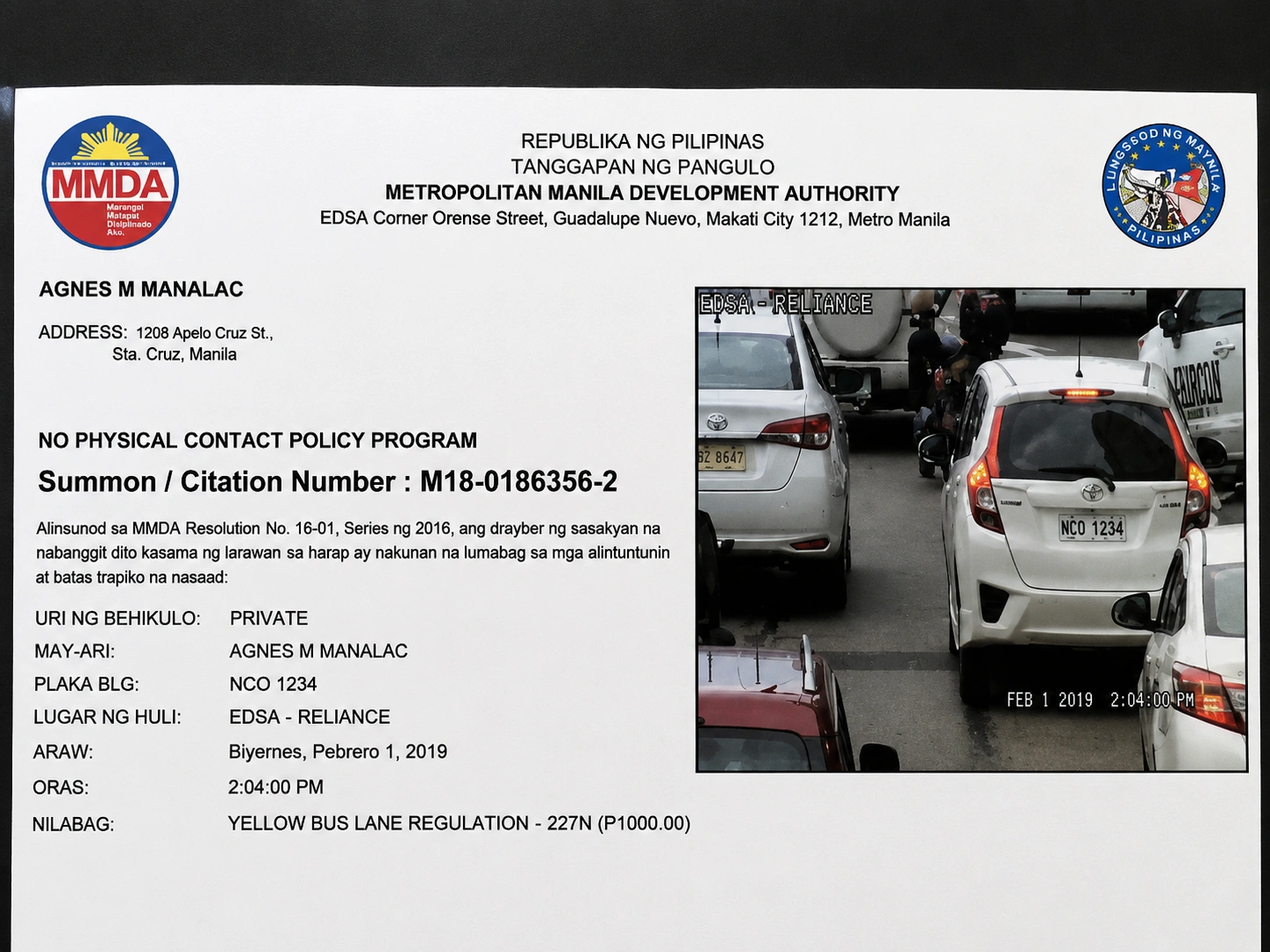
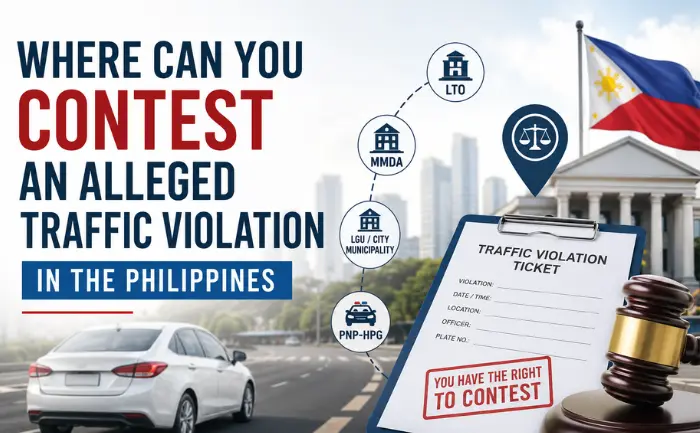
For MMDA-issued tickets, the correct office depends on the issue being raised.
You may file with:
The MMDA E-Contest platform allows motorists to log in, submit a contest, wait for Traffic Adjudication Division review, communicate online, and receive a resolution.
LGU-Issued Traffic Ticket
If a city or municipal traffic enforcer issued the ticket, file your protest with that city or municipality’s traffic adjudication office.
Common examples include:
Each LGU has its own rules, forms, office location, and deadline. Quezon City, for example, requires motorists contesting an OVR to get an assessment form, submit the ticket and form to the Traffic Adjudication Board Office, and fill out a complaint sheet or submit a complaint letter.
PNP Highway Patrol Group Ticket
If the citation came from the PNP Highway Patrol Group, go to the PNP-HPG office or the office written on the citation. Bring your ticket, driver’s license, vehicle documents, valid ID, and any proof that supports your explanation.
Private Villages, Subdivisions, and Special Zones
If the violation happened inside a private village, subdivision, port area, airport zone, estate, or special traffic-controlled area, file your protest with the office that issued the ticket.
This may be:
Requirements for Contesting a Traffic Violation
To properly contest traffic violation Philippines, prepare:
General Requirements
Prepare these documents when available:
If the Driver’s License or Plate Was Confiscated
You may need:
If the Vehicle Was Impounded
Prepare these documents when applicable:
How to Contest a Physical Traffic Apprehension
The process is easier when you act quickly and organize your documents.
Step 1: Check the Issuing Agency
Read the ticket carefully. Look for the agency name, office location, date, time, place of apprehension, violation code, and settlement instructions.
This tells you where to file your protest.
Step 2: Gather Evidence
Collect any proof that can support your case. Useful evidence includes dashcam footage, road photos, unclear sign photos, traffic light videos, GPS records, witness statements, medical documents, or official records.
Evidence is stronger when it clearly shows the date, time, location, and actual situation.
Step 3: Write a Protest Letter
Your protest letter should be short, clear, and factual. Explain what happened, why the ticket is wrong, and what evidence you are submitting.
Avoid emotional language. Focus on facts.
Step 4: File at the Correct Office
Submit the protest to the same agency that issued the ticket. Do not file with the wrong office because it may delay your case.
Step 5: Wait for Hearing Notice
Some cases are reviewed through documents. Others require a hearing. If you receive a summons or hearing notice, attend on the scheduled date.
Step 6: Attend the Hearing
Explain your side calmly. Present your evidence. Answer questions directly.
If the hearing officer finds your evidence sufficient, the case may be dismissed. If not, the violation may be affirmed.
Step 7: Follow the Decision
If the case is dismissed, claim any confiscated item or clear your record. If the case is affirmed, pay the fine and keep the official receipt.
How to Contest an LTO Traffic Violation
LTO contested cases usually require a written protest, the TOP or IRMV, and supporting documents.
The usual process is:
The LTO now allows many violation records and payments to be handled through its digital systems, but a formal contested case may still require filing with the proper adjudication office.
For general complaints, reports, and feedback, motorists may use the I-Report Mo Kay LTO Chief platform. It is designed for public reports, complaints, and service concerns, but it is not the same as a full traffic adjudication hearing.
How to Contest an MMDA Traffic Violation
File at MMDA adjudication offices or use E-Contest if available.
How to Contest or Appeal an NCAP Violation
The No-Contact Apprehension Policy uses cameras, CCTV systems, and plate recognition to detect traffic violations without stopping the driver on the road.
NCAP violations are usually sent to the registered owner of the vehicle. This can cause issues when the vehicle was sold, borrowed, stolen, misidentified, or used by another person.
Why Contest an NCAP Violation?
You may contest an NCAP violation if:
- The plate number is wrong.
- The vehicle was already sold.
- The vehicle was stolen.
- Another person was driving.
- There was a medical or emergency situation.
- The traffic sign was missing or unclear.
- The traffic light was defective.
- The camera record has a technical error.
- The violation does not match the evidence.
How to File an MMDA NCAP Appeal Online
For MMDA NCAP cases, motorists may use May Huli Ka 2.0 or the E-Contest feature when available. MMDA’s portal allows users to check violations and follow contest or appeal steps.
The usual process is:
- Log in or create an account.
- Check the violation using the plate number or conduction sticker number.
- Review the photo or video proof, if available.
- Submit the contest online.
- Upload the required documents.
- Wait for review.
- Respond if more information is requested.
- Wait for the final decision.

How to File an MMDA NCAP Appeal in Person
You may file your NCAP appeal at the MMDA Traffic Adjudication Division.
Location:
MMDA Head Office, Julia Vargas Avenue corner Molave Street, Barangay Ugong, Pasig City
Office Hours:
Monday to Friday, 7:00 a.m. to 4:00 p.m.
Bring original or certified true copies of your documents if required for verification.
Contesting NCAP Violations in LGUs
Some cities have their own NCAP rules and appeal procedures. Always check the issuing LGU before filing.
Common examples include:
Deadlines may differ by city. Some require filing within 5 days, while others allow 10 days. Notarized forms and supporting proof are often required.
What Happens If You Ignore an NCAP Notice?
Ignoring an NCAP Notice of Violation can create bigger problems.
Possible consequences include:
If you believe the notice is wrong, act within the allowed period instead of ignoring it.
Grounds That May Help Dismiss a Traffic Violation
A protest is stronger when it is based on evidence, not just opinion.
Common grounds for dismissal include:
For emergencies, provide proof such as medical records, dispatch records, hospital documents, or sworn statements.
Mistakes to Avoid When Contesting a Violation
Many valid protests become weak because the driver fails to prepare properly.
Avoid these mistakes:
Stay calm, respectful, and organized. A clear explanation with strong proof is always better than an angry complaint.
Driver Fees, Requirements and Safety Tips
Some LTO-related cases may include fees such as legal research fee, computer fee, apprehension fines, traffic violation fines, and other penalties if the case is affirmed. Payment methods may include LandBank Link.BizPortal, GCash, PayMaya, Bayad Center, GrabPay, SM Bills Payment, or other authorized channels. Always follow official instructions and keep your receipt.
For traffic violation cases, file your protest within the allowed period and keep all documents such as OR, CR, license, ticket, protest letter, evidence, receipts, and decision copies. Always check the TOP or ticket to confirm the correct office for settlement since not all LTO or LGU offices handle every case.
If your complaint involves enforcer misconduct, record key details like date, time, location, officer name, patrol number, and incident notes. For NCAP cases, prepare notarized driver identification if you were not the driver. If the vehicle was sold, keep the deed of sale and transfer papers. If someone is filing for you, a Special Power of Attorney is required. Company vehicles need a board resolution or secretary’s certificate.
To avoid future violations, keep your vehicle records updated with LTO, transfer ownership immediately after sale, use a dashcam with GPS, regularly check MMDA or LGU portals, keep your license and registration valid, and always follow traffic rules, signs, and speed limits.
Frequently Asked Questions
Final Thoughts
To contest traffic violation Philippines, always file your protest with the agency that issued the ticket. LTO violations are handled by the LTO adjudication office, MMDA tickets go through the MMDA Traffic Adjudication Division or E-Contest system, while LGU-issued tickets must be filed with the respective city or municipal traffic office.
Prepare your ticket, written protest, driver’s license, OR/CR, and supporting evidence. File on time, attend the hearing if required, and keep copies of all documents.
A traffic ticket does not have to be final if it was wrongly issued. Knowing where to file, what to submit, and how the process works can help you protect your rights and avoid unnecessary penalties.